PTEF Coating
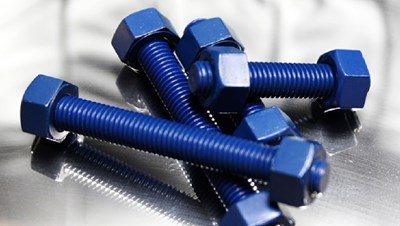
Polytetrafluoroethylene (PTFE) is a synthetic fluoropolymer of tetrafluoroethylene that has numerous applications. ... PTFE has one of the lowest coefficients of friction of any solid. PTFE is used as a non-stick coating for pans and other cookware. Polytetrafluoroethylene are fluoropolymer coatings that offer superior non-stick properties in a very durable thin film coating. ... This coating is normally used where a smooth, low friction, corrosion resistant coating is necessary.
Application:
PTFE film is also widely used in the production of carbon fiber composites as well as fiberglass composites, notably in the aerospace industry.
PTFE is used as a non-stick coating for pans and other cookware
used in containers and pipe work for reactive and corrosive chemicals.
PVDF Coating
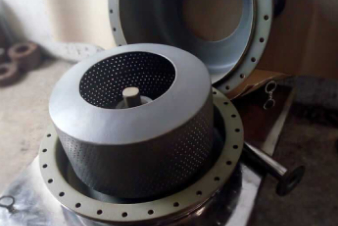
Polyvinylidene fluoride or polyvinylidene difluoride (PVDF) is a highly non-reactive thermoplastic fluoropolymer produced by the polymerization of vinylidene difluoride.PVDF is a specialty plastic used in applications requiring the highest purity, as well as resistance to solvents, acids and hydrocarbons.
Application:
FEP Coating
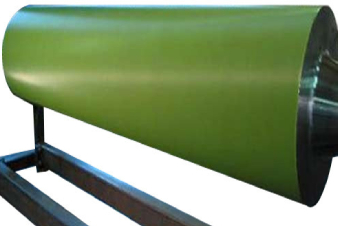
FEP (fluorinated ethylene propylene) nonstick coatings melt and flow during baking to provide smooth non-porous films with excellent abrasion resistance. Because the coating is non-porous its chemical resistance is superb. FEP coatings are extremely non-wetting and have a very low coefficient of friction. This coating has excellent release properties and is often used as a mold release coating. FEP coating is typically applied to a thickness of 1-2 mils and has an operating temperature of 450°F
Application:
One of the most popular uses of FEP coatings is for industrial non-stick applications or any application needing a food grade coating.
PFA Coating
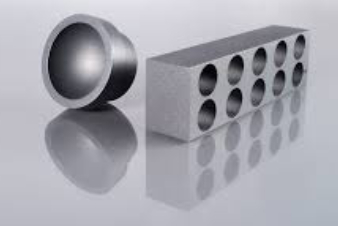
PFA – perfluoroalkoxy - is a co-polymer product of PTFE. The key advantage of PFA is its melt processability. This means that when cured, the constituents flow into one another, therefore the level of porosity at the surface of the cured coating is significantly reduced.
Application:
PFA are commonly used as materials for piping and fittings for aggressive chemicals, as well as corrosion-resistant lining of vessels in the chemical-processing industry. Typical applications are in the construction of gas scrubbers, reactors, containment vessels, and piping.
HALAR Coating
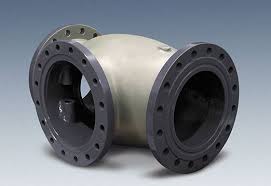
ECTFE is marketed as Halar by Solvay Solexis. ECTFE coating is a melt-processable fluoropolymer with a 1:1 alternating copolymer structure of ethylene and chlorotrifluoroethylene. As part of the fluoropolymer family, Halar® coatings or ECTFE coatings have a unique combination of properties including excellent chemical resistance, good electrical properties, a broad-use temperature range, outstanding abrasion resistance, and excellent impact strength.
Application:
Nylon Coating
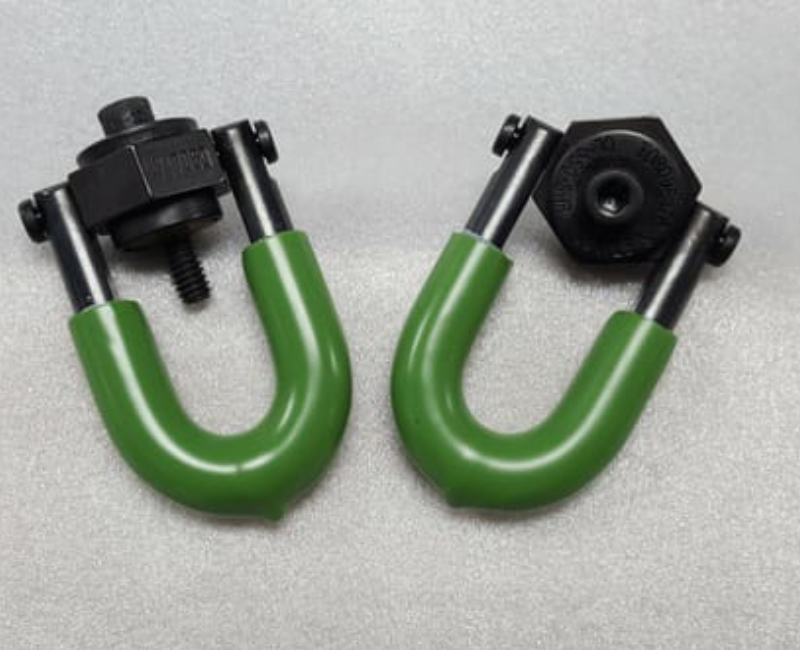
Nylon (polyamide) powder coating is widely used to protect a variety of metal substrates such as steel & aluminum. It is applied either electro statically or in a fluid bed. It protects a wide variety of applications from corrosion to impact and abrasion.
Nylon Coating Advantages
Nylon coating for metal offers an exceptional combination of critical physical properties including:
Application
Plastic Coating
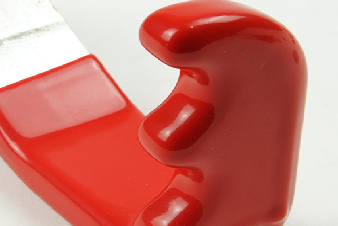
"PVC", "vinyl" and "PU" tend to be used interchangeably by retailers for clothing made from shiny plastic-coated fabrics. These fabrics usually consist of a backing woven from polyester fibers with a surface coating of shiny plastic.
Application : A plastic coating gives metals a thick, wear resistant finish that excludes water and air from the surface of the metal and so prevents corrosion. Plastic coating is applied mainly by: hot dip coating in a fluidized bed of polymer powder.
Epoxy Coating
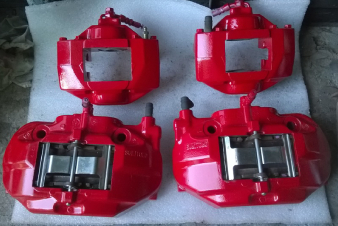
Epoxy and polyurethane are a thermosetting polymer as well and is considered a high performance coating. A polyurethane coating is a layer of polyurethane (a type of polymer) that is applied to a material's surface in order to protect it. A polyurethane coating can protect the base material from corrosion, weathering, abrasion and other processes that would degrade the material over time.
Application : Used to protect steel pipe used in pipeline construction, concrete reinforcing bars (rebar) and on a wide variety of piping connections, valves etc from corrosion
Stoving Finishes
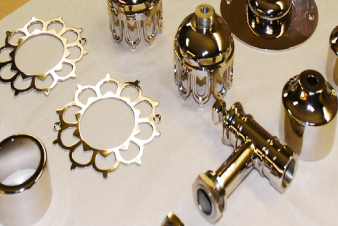
Stoving finishes are available for use on surfaces exposed to extreme outdoor environment & changing weather conditions. Stoving finishes are coatings that require curing at elevated temperatures, starting from 130°C. For indoor application both alkyd/ureum stoving finishes with coding US and UD are suitable. A particularly special application is PE stoving finish for use on screws. This coating is extremely resistant to heavy mechanical loads. stoving finishes are very resistant against surroundings where there’s an aggressive atmosphere. stoving finishes are water-resistant. No single drop passes through. stoving finishes are suited for application by use of a paint spray gun.
Following Industries Included :
Air-drying coatings
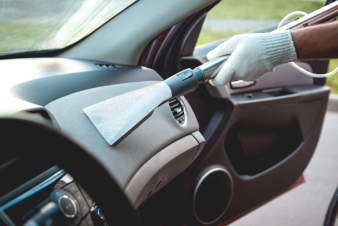
Air drying coatings are varnishes that dry and crosslink as a consequence of oxygen absorption. These varnishes have a broad scope for use and are available in many colours, gloss levels and special effect coatings such as hammer finishes and grain structures finishes.The air-drying JF varnish is fast-drying and applicable by using a spray gun. air-drying coatings are available in the gloss level of your preference: from dull to glossy. air-drying coatings are characterized by their excellent adhesion to different surfaces, such as metal and wood.
PU-ELASTOMER ROLLER COATING
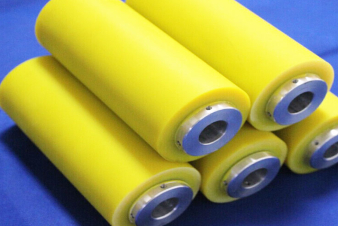
PU-ELASTOMER ROLLER COATING are higher volume solids (45-60%) than conventional paints, and are applied in films that typically attain a dry film thickness in the range of 10-20 mils per coat . Elastomerics are also well suited for tilt-up or poured-in-place concrete and masonry wall surfaces (including CMUs) because they provide excellent waterproofing properties; can tolerate some substrate movement; and their stretchiness (150-400% or greater elongation without breaking throughout their service life) allows them to fill or bridge even moving hairline cracks.
